Every step down in the milling number means buying more rice to grind away. At 18 percent a brewery buys about five and a half kilos of rice for every kilo that reaches the tank.
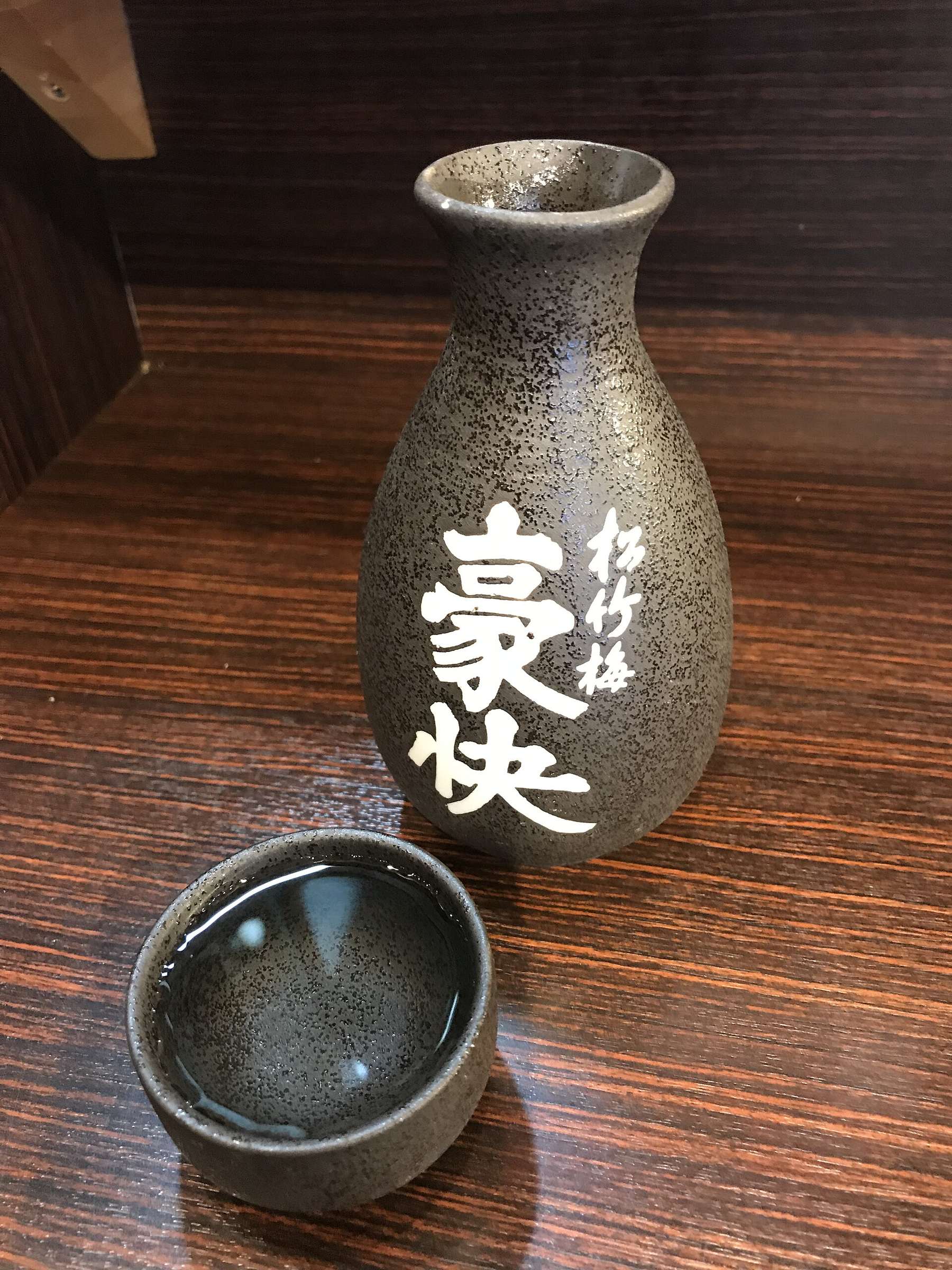
A small dark cup hides the colour, holds almost no air above the sake, and puts it on one spot of the tongue. Sometimes that is what you want. Usually it is a habit nobody chose.
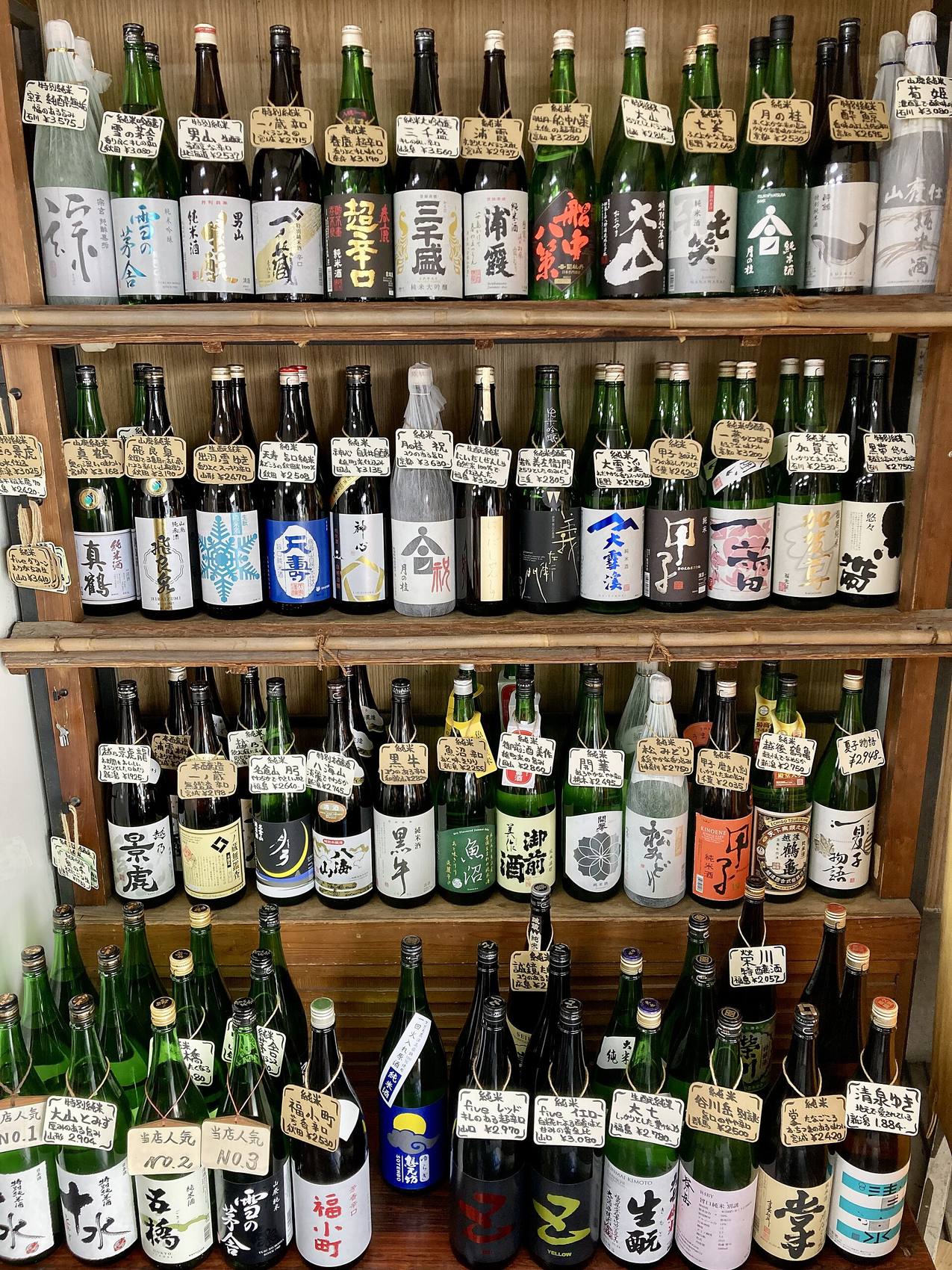
Three bottles are in hand for the October 24 tasting, each sent by the people who make or import it. Who sent what, from their own published sheets.
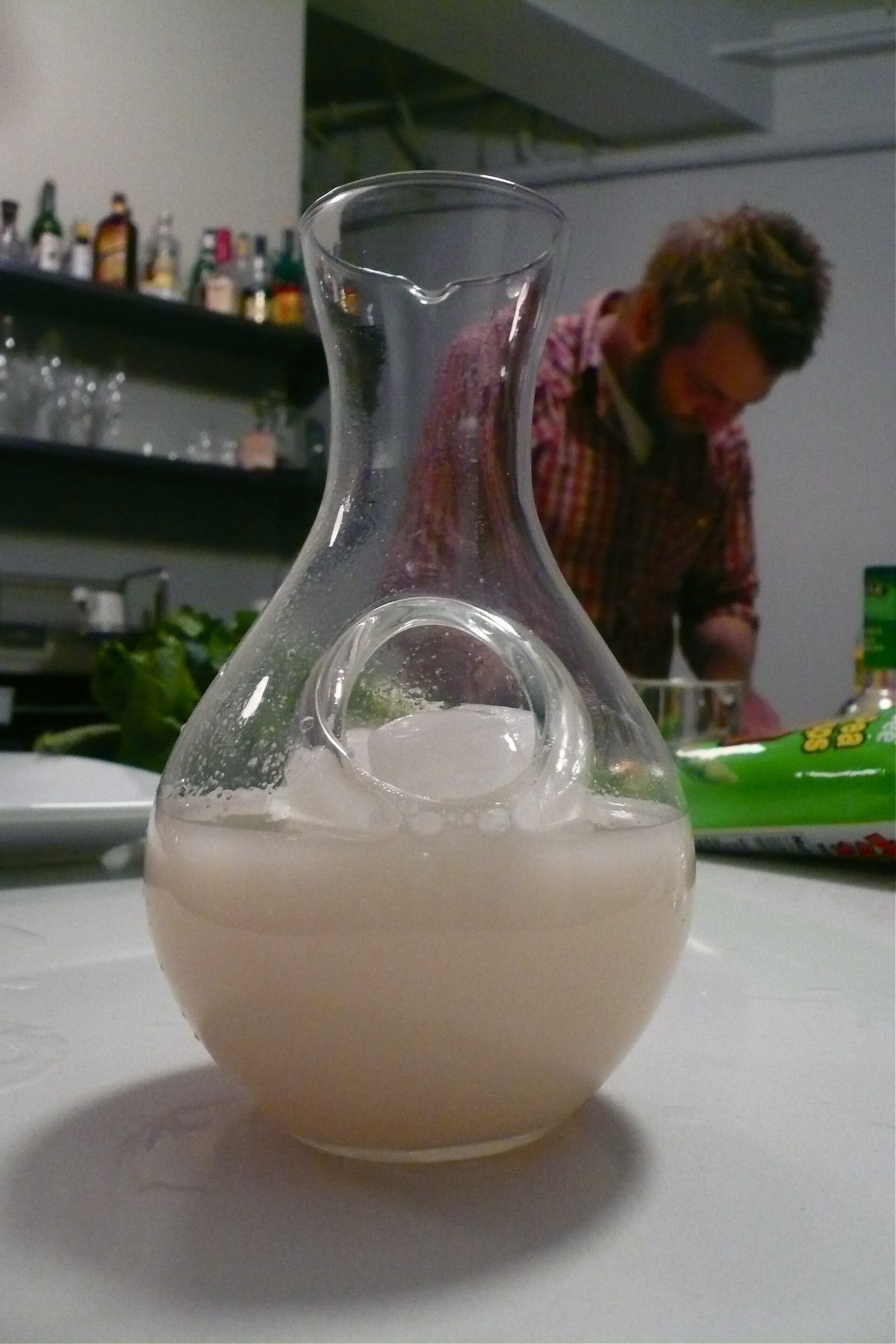
Beer mashes, wine never has to, and sake does something neither does. A fungus growing on a fifth of the rice turns starch into sugar in the same tank where the yeast is already working.
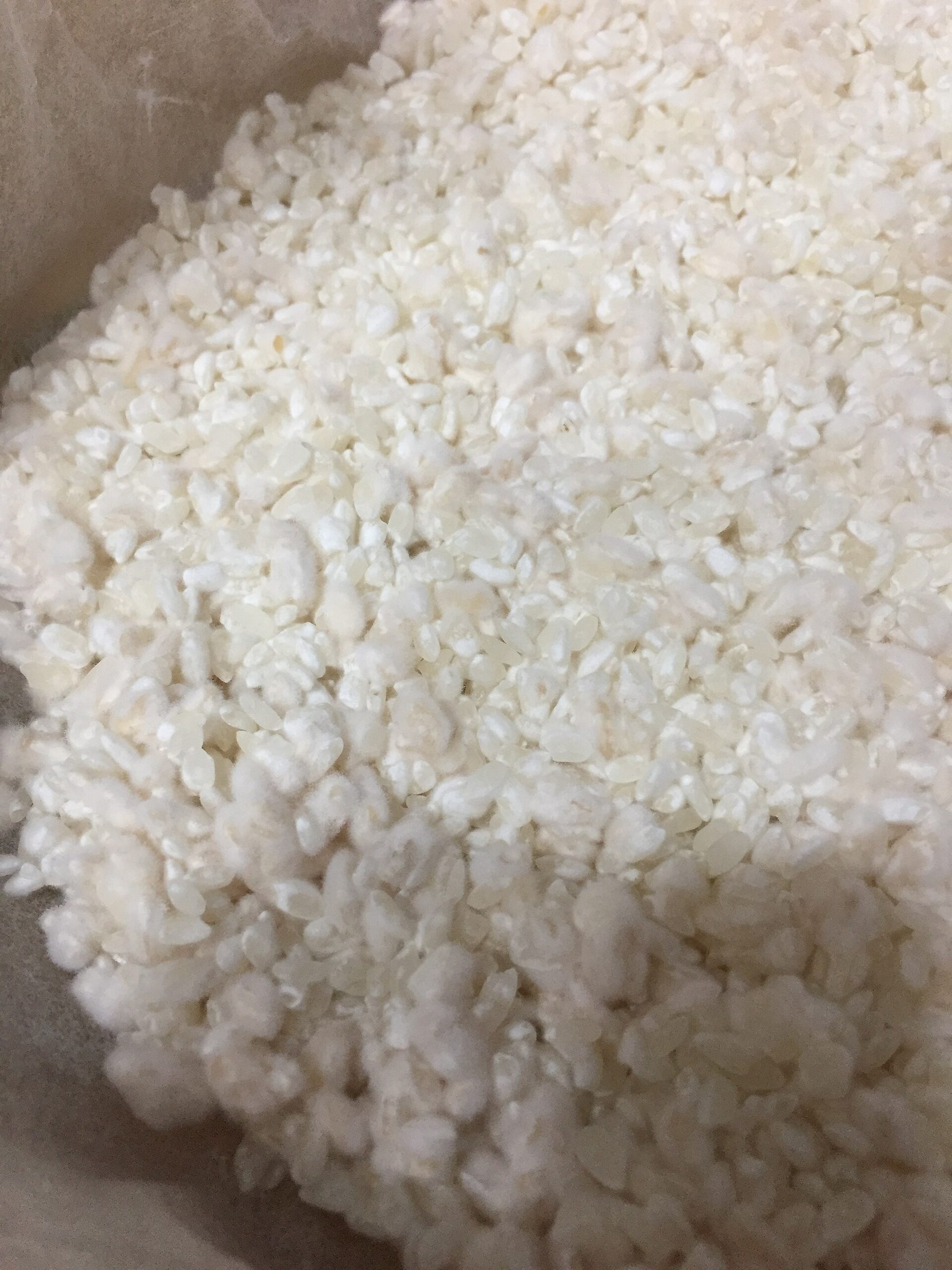
Four varieties cover most of what you will drink, and a starchy white core is the reason they exist. Three quarters of the rice that became sake in Japan in 2008 was grown to be eaten.
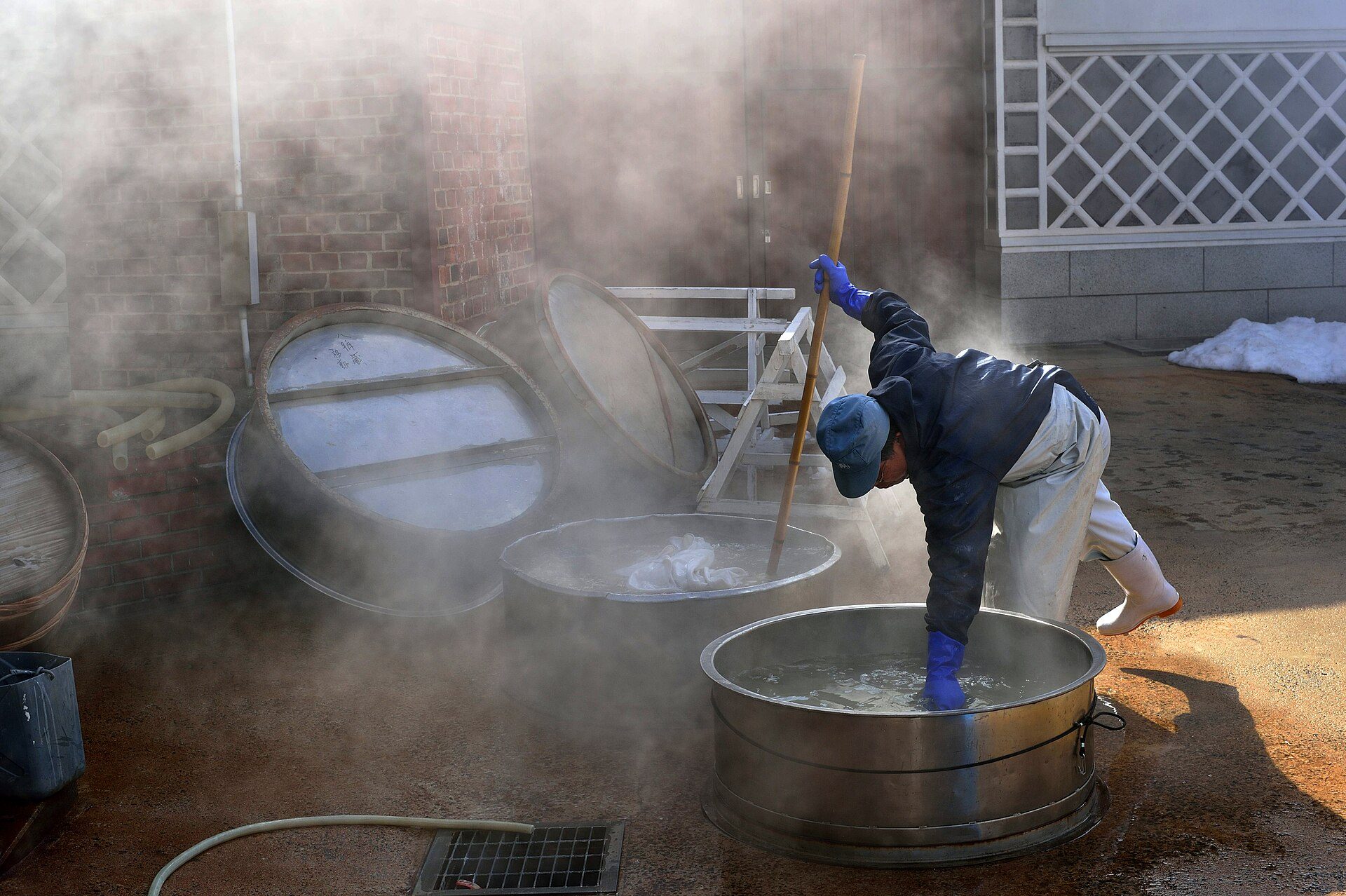
Six bottles went into bags in June and all six were poured cold. Two of them came with instructions from the people who make and import them saying not to do that.
Four things sit on almost every bottle. Find them and you can walk into a shop with no staff who know sake and still come out with something good.
The interesting sake goes to New York and Los Angeles. The reason is a law from 1933 and a distributor's spreadsheet, and a hundred people together can get around both.
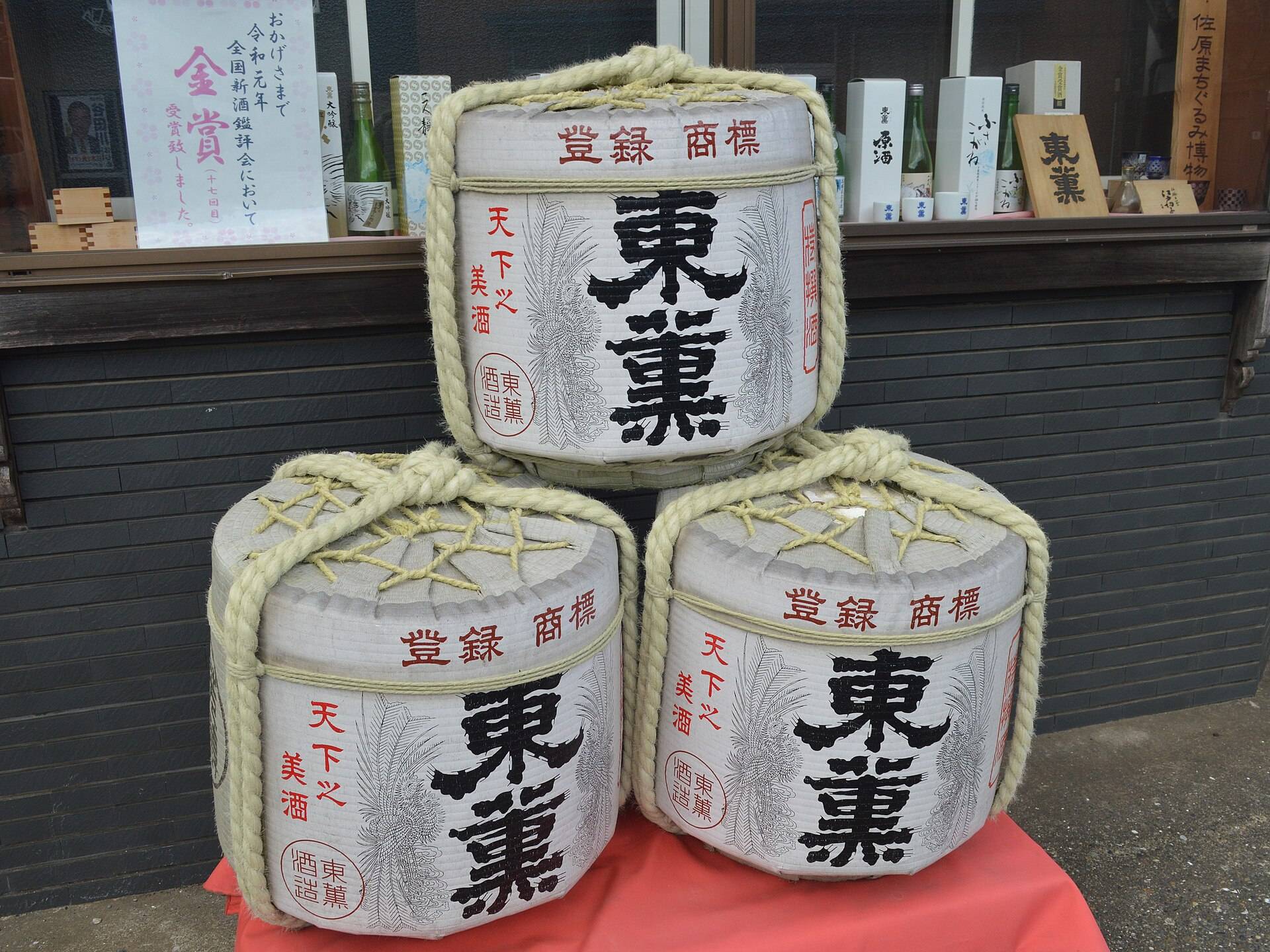
Labels go in a bag before anybody arrives. Here is the shape of the night and the four things you are scoring, so a first tasting is not spent working out the rules.
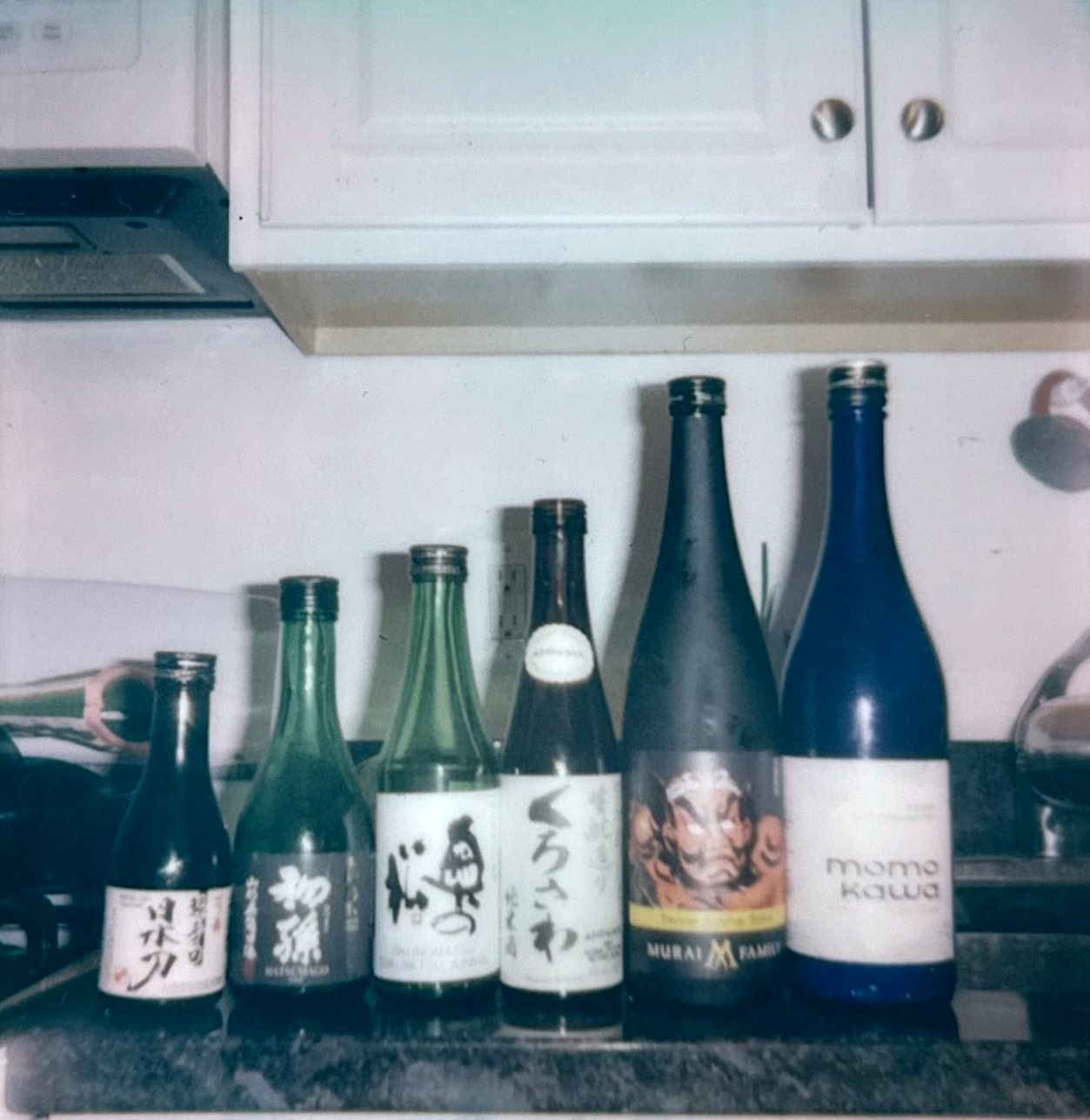
Send us a bottle and about twenty people will tell you the truth.
Kasumi Club pours everything blind. Breweries and importers use us to test the D.C. market, and every bottle we pour gets a page with its score, whether it wins or not.
How it works for breweries