Washington, D.C.

We taste sake blind and buy what wins.

Kasumi Club is about a hundred people in Washington, D.C. Six bottles go into bags with the labels hidden, the room scores each one out of 5, and what wins gets ordered together as a case. Every bottle we pour gets a page on this site with its score, whether it wins or not.

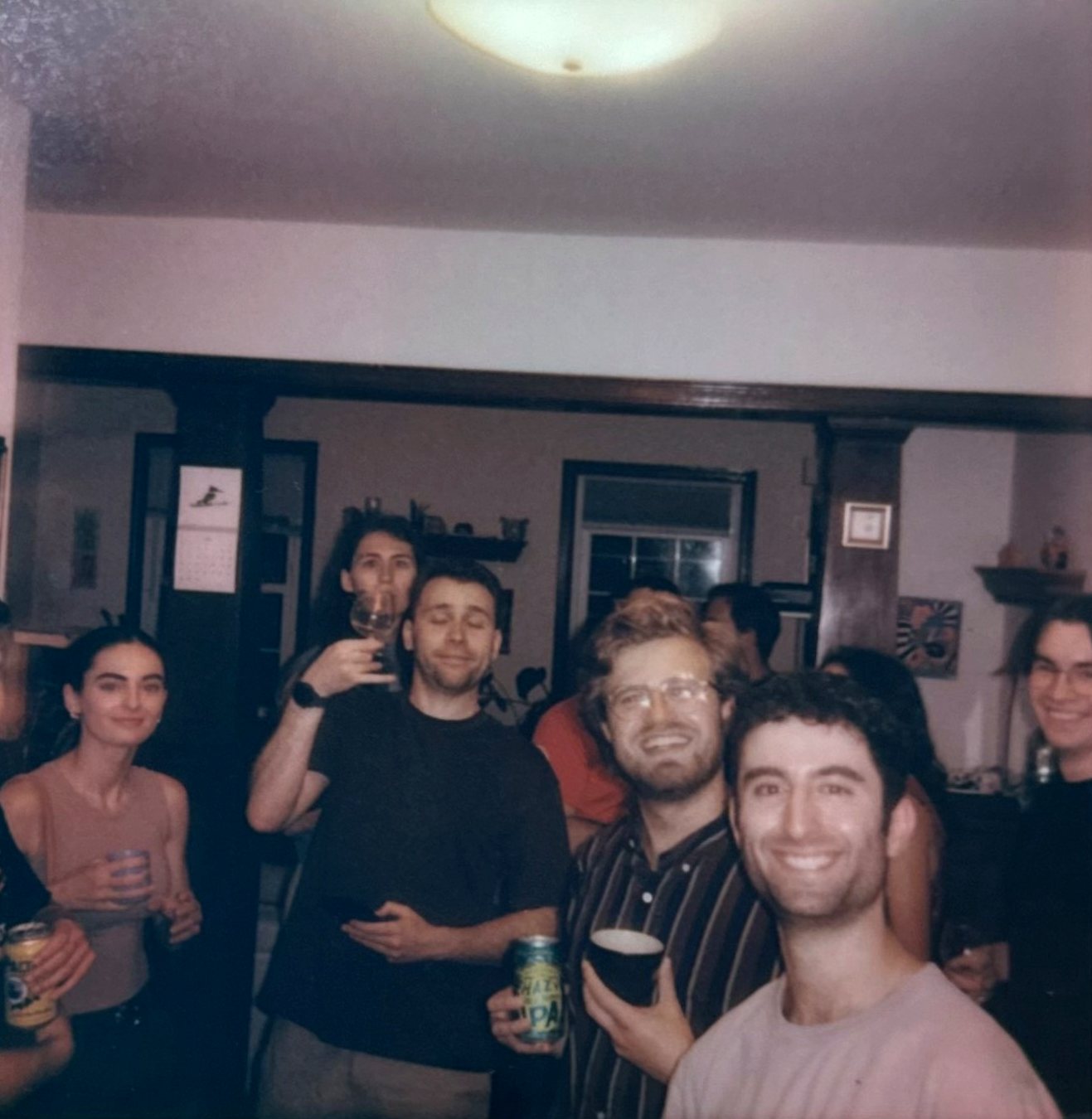
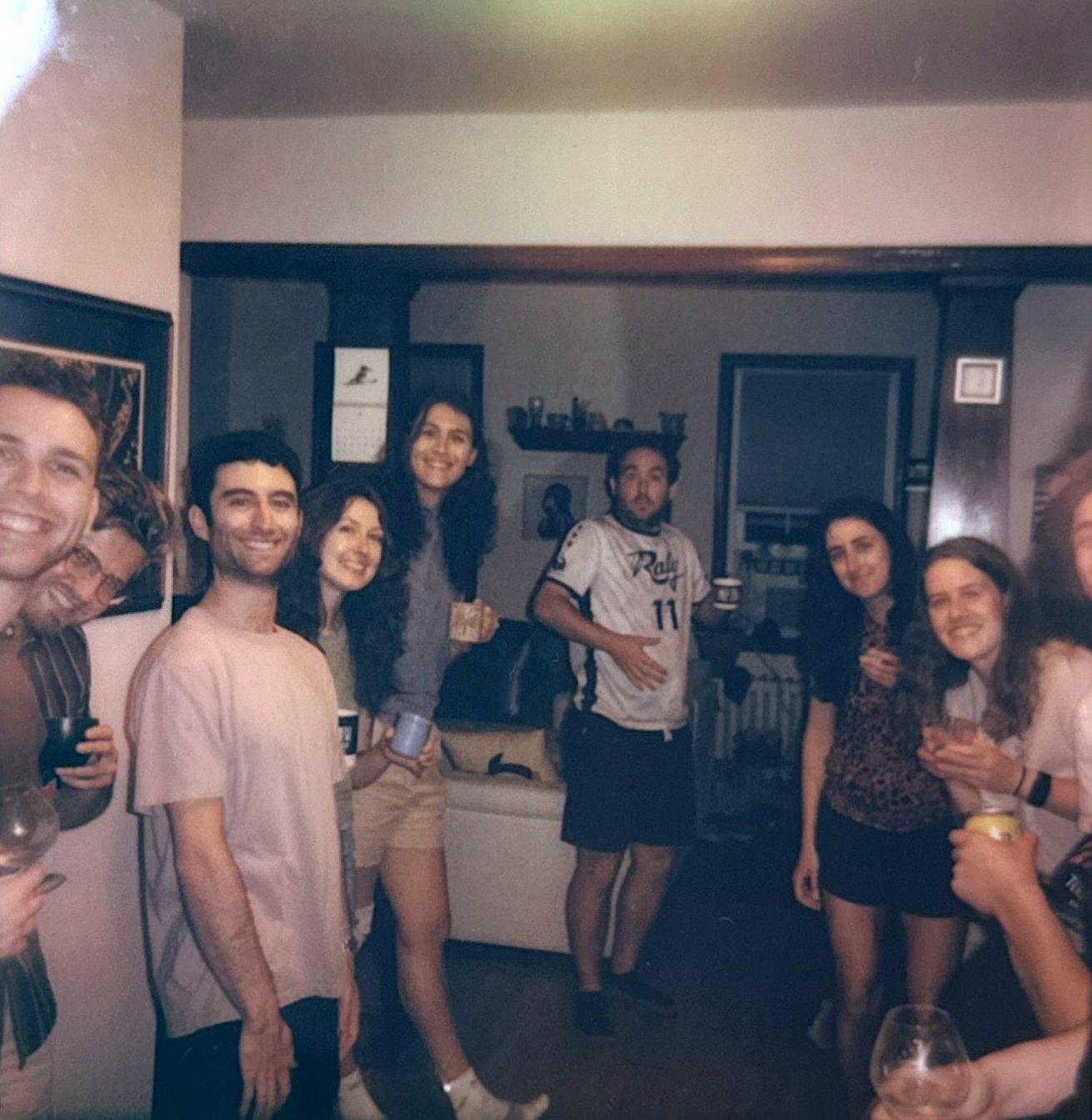
Members gathered with cups and glasses at a Kasumi Club tasting in Glover Park

Glover Park. Somebody always brings a Polaroid camera and nobody ever remembers to use their phone.

If you drink sake

You will find out what you like, and why.

Most of the interesting sake arriving in America goes to restaurants in New York and Los Angeles, or to distributors moving it by the pallet. What is left for a D.C. shelf is the safe middle of the category. We go around that, because a hundred people ordering together is a case, and a case is the number a brewery will ship.

What lands in front of you on a given night ranges from a bottle any shop here can order to things that took a month of letters to get hold of. Undiluted sake straight off the press, unpasteurized bottles that rarely survive a normal supply chain, and starters that take four weeks instead of two all turn up. Nobody in the room knows which is which, which is the point.

The part people do not expect is how much you learn. You taste six things without knowing what any of them are, you argue about them with twenty other people, and by the end of the night you can name what you like and why. That is the thing you take home, and it works in any shop, in any city, for the rest of your life.

Kasumi means mist. We named the club after the cloudy nigori that nobody here will stop reordering.
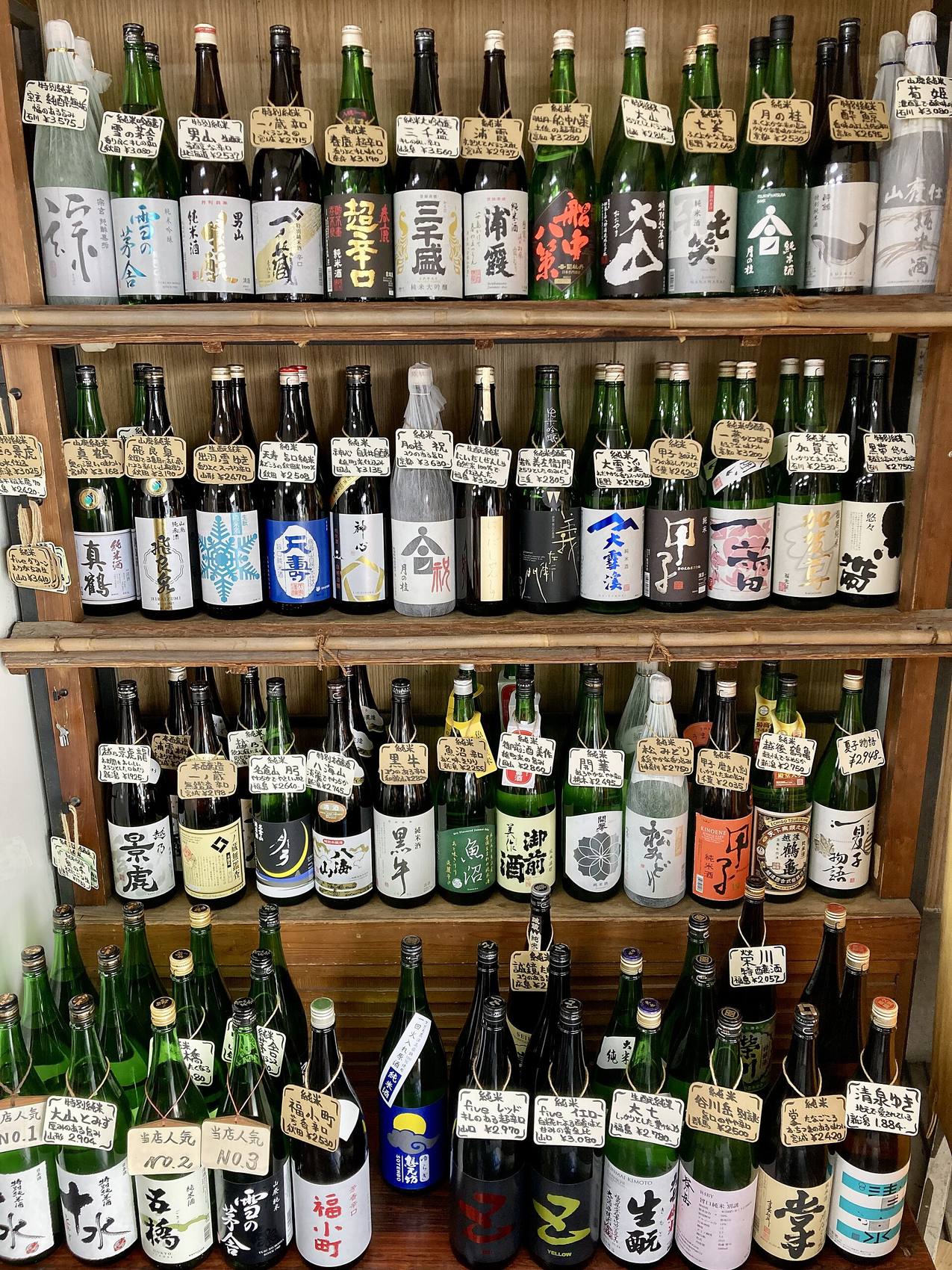
Shelves packed with labelled sake bottles, price tags hanging from each neck

Sake like this exists. Most of it never reaches a D.C. shelf, because shipping one case to one city is not worth a distributor's time until somebody guarantees the case.

Who we are

About a hundred members, and joining is free.

Kasumi Club started in April 2026 with a few people who wanted better sake than this city sells. It runs out of an apartment in Glover Park that fits about twenty people at a tasting, so there is usually a wait before your first one.

You show up, you taste, and you score what is in front of you. Your score counts the same as everyone else's on your first night. Jacob Katz runs it. Bottles come through DC Sake cō and straight from breweries once an order reaches a case.

Members with drinks in a Glover Park living room during a Kasumi Club tasting
How it works

Every bottle is poured blind and scored by the room.

Same three steps every season, so you always know what you are walking into.

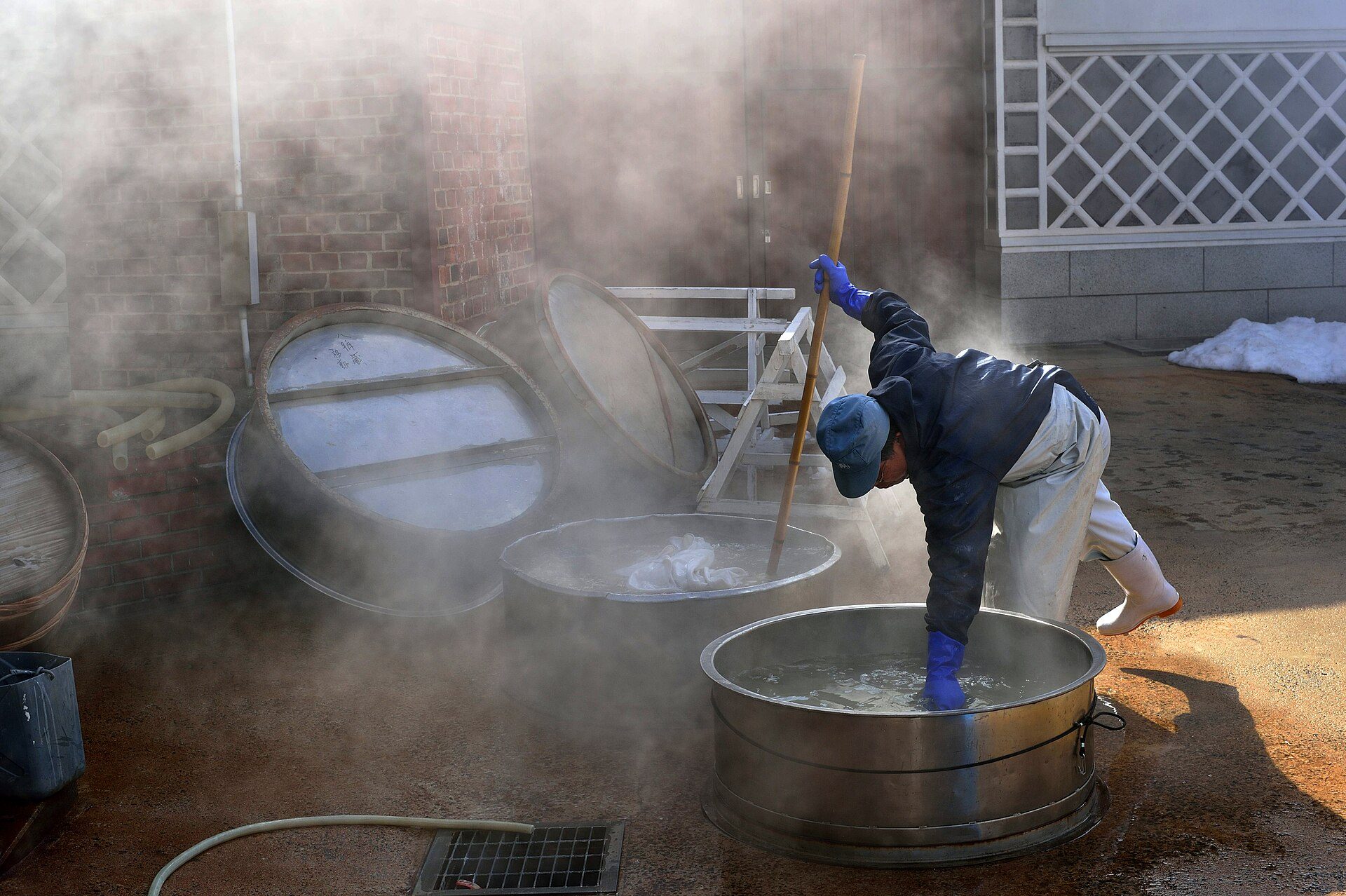
A brewery worker washing sake rice in steel tubs, steam rising around him

We ask breweries for samples

We write to family breweries in Japan, craft brewers in the United States, and importers who bring in bottles the big distributors skip. We ask what they are making this season and request a sample of the one they are proudest of.

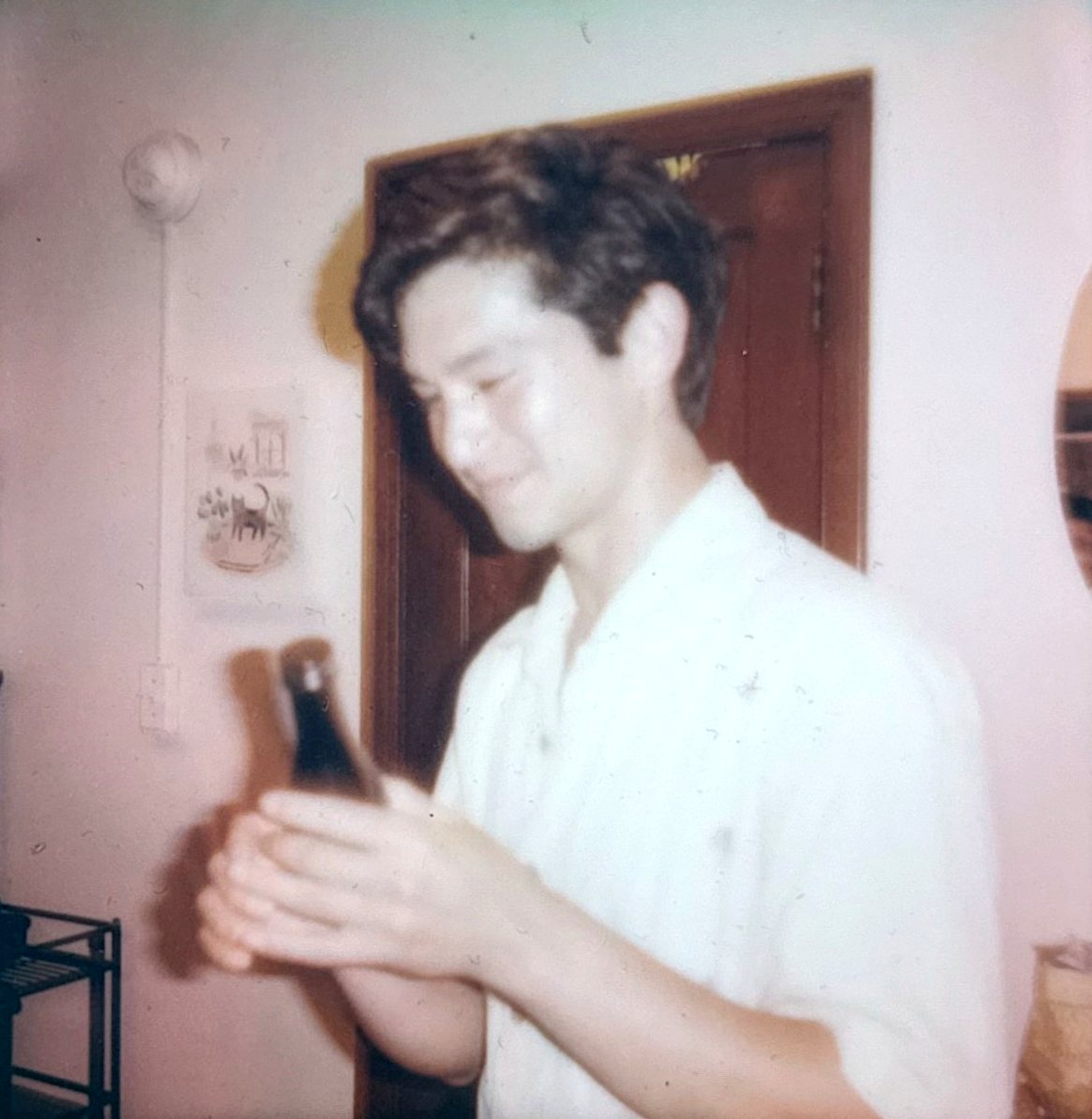
A member checking a sake bottle during the June tasting

Labels go in a bag

Nobody sees a brewery, a price, or a country. Everyone scores what is in the glass on overall impression, complexity, aroma and mouth feel, and the overall score is what counts. Provenance is a story you tell yourself before the first sip, so we take it away.

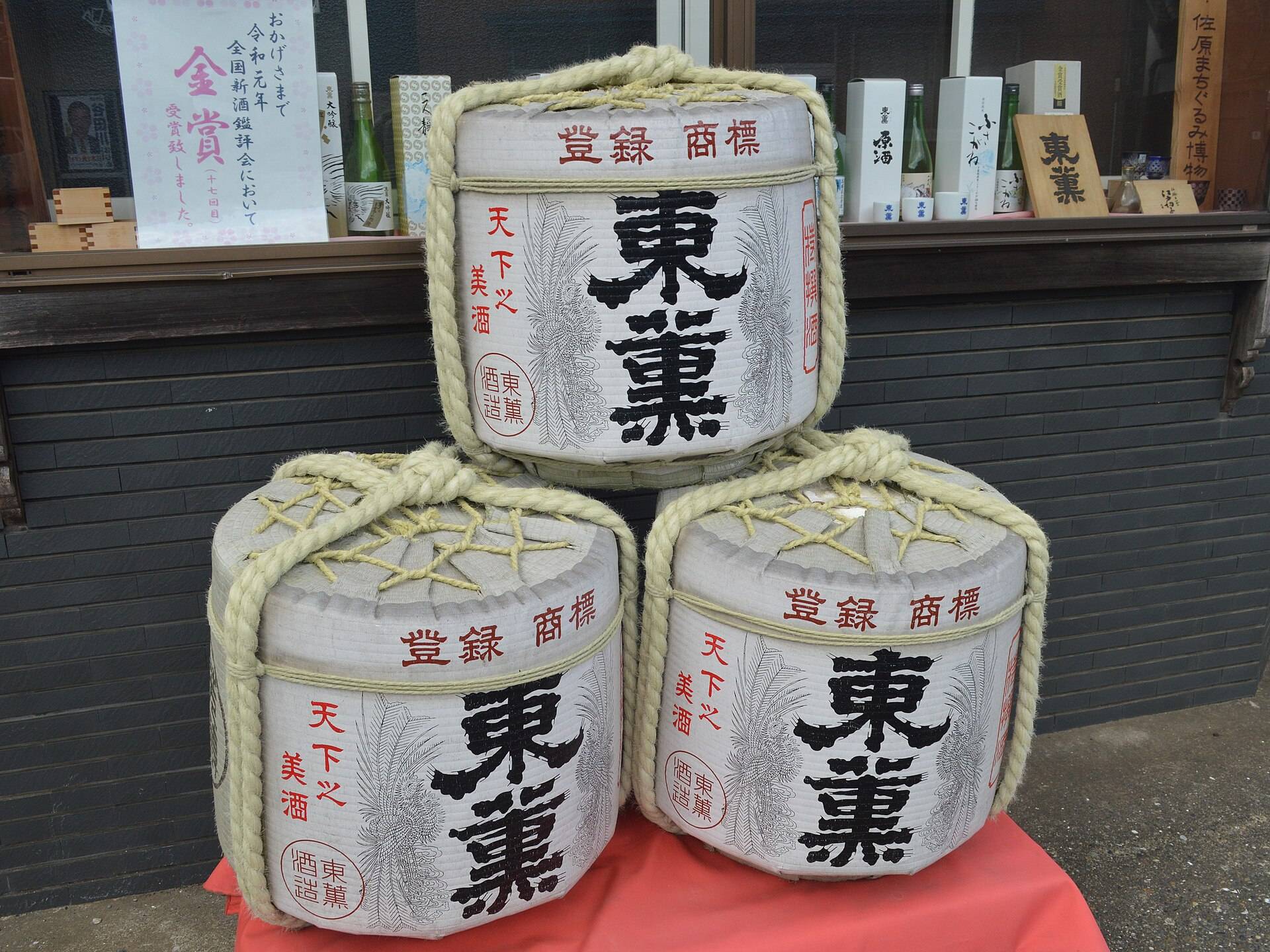
Straw-wrapped komodaru sake barrels stacked with bold brewery kanji on the front

The winners get ordered

When a bottle holds up across the room, we place an order, usually a case. Breweries answer fast, because a case is real volume and it repeats. One sample often turns into a standing seasonal order.

The scores

Every bottle we pour gets written up.

Blind scores out of 5, plus a page on each bottle: who brewed it, where, what rice, how far it was polished, and what the room made of it. Here is the most recent flight.

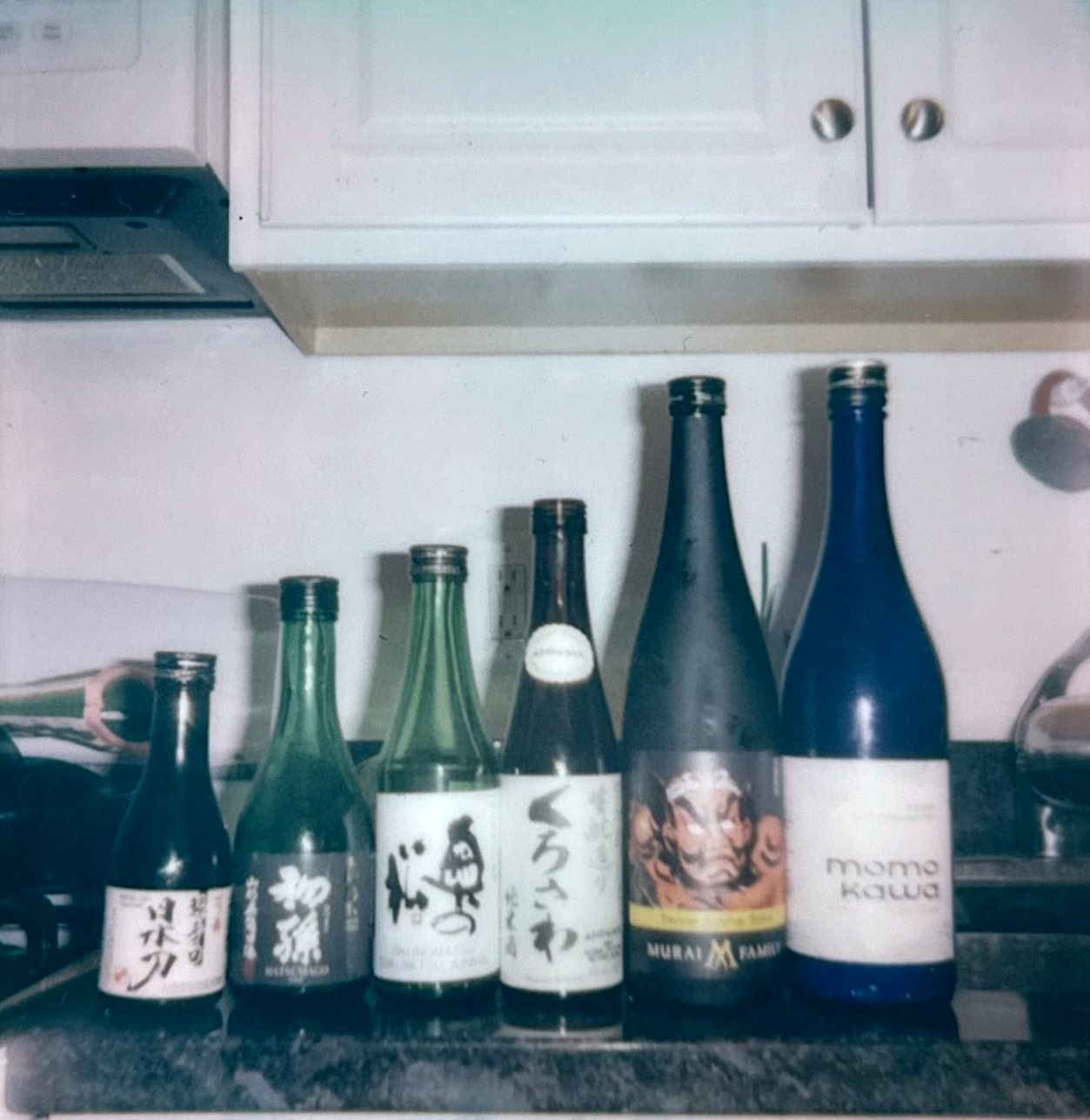
Six sake bottles lined up on a kitchen counter before the June 12 blind tasting

The lineup before the labels went in the bag, left to right in pour order.

Hananomai Katana · Hatsumago · Okunomatsu · Kurosawa · Murai Family · Momokawa Pearl

A nigori from Oregon won. Momokawa Pearl is brewed by SakéOne in Forest Grove, and it beat four Japanese breweries. It also finished ahead of a kimoto from Nagano made with a four week starter that only about one in ten Japanese breweries still uses.

Nobody knew what they were drinking while they scored it, which is why we pour blind.

Scored out of 5 by the members present, June 12, 2026, in Glover Park. Bar length shows the overall score. One night is one night, so a bottle has to hold up across more than one tasting before it becomes a standing order.

What to look for

What the words on a sake label mean.

Four of them come up constantly, on menus and on back labels. Learn these and you can order well in any shop, in any city.

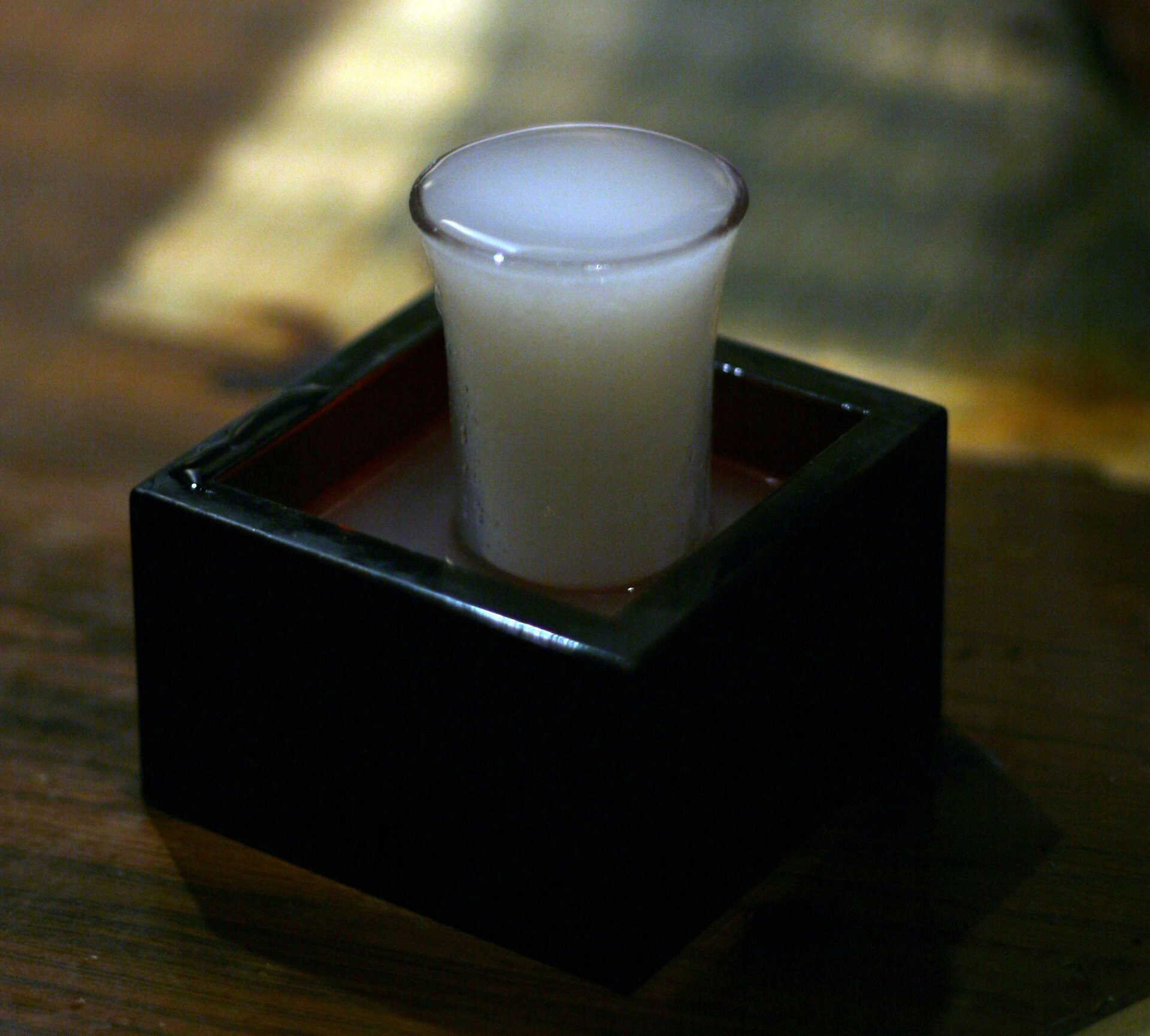
A glass of cloudy nigori sake filled past the rim, sitting in a black lacquer masu box

Nigori

Nigori is the cloudy one. It gets pressed through a loose mesh, so some of the rice solids stay in the bottle, and what you are handed ranges from barely hazy to thick and white. Good nigori has enough acidity to keep the sweetness moving instead of sitting on your tongue.

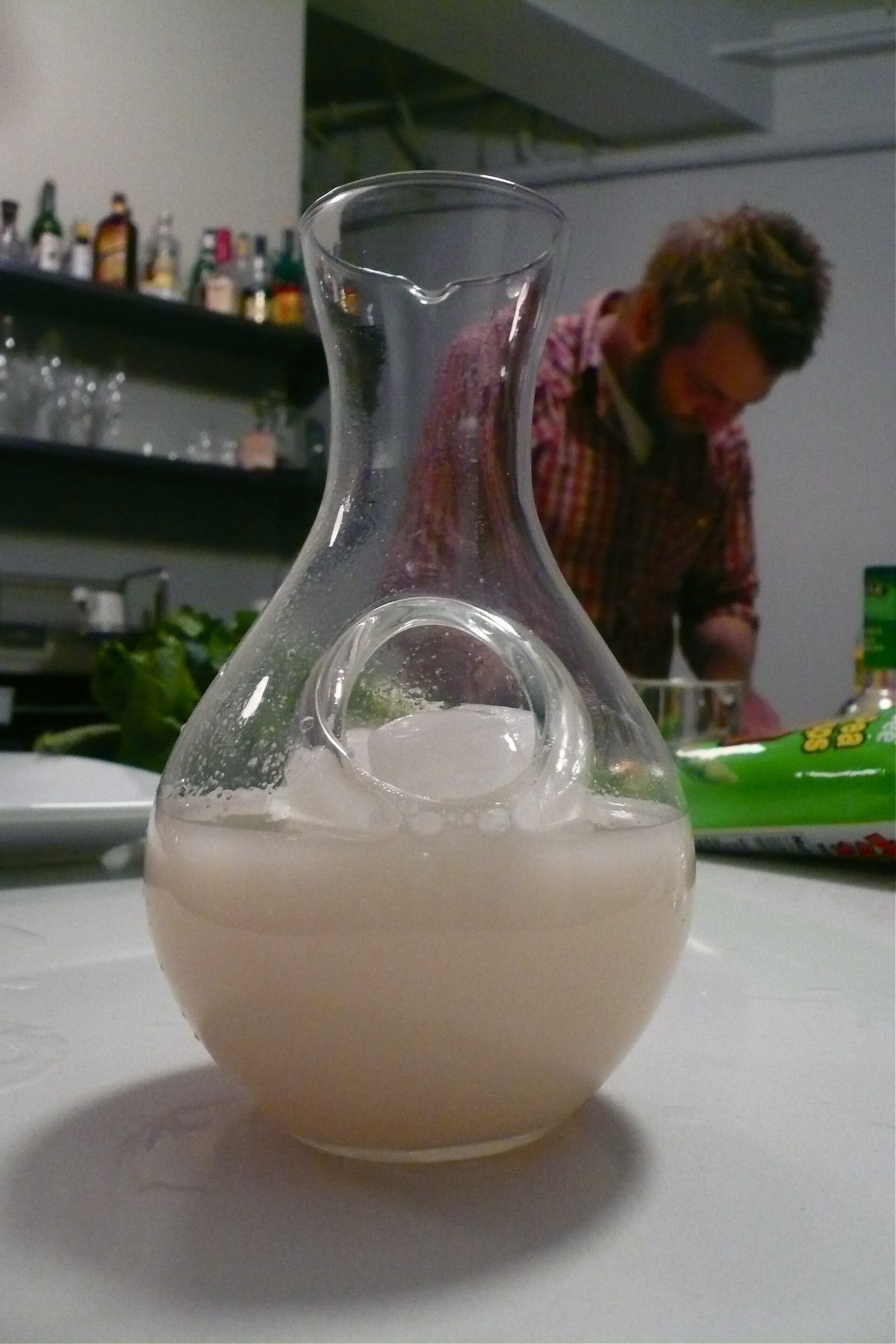
A glass carafe of cloudy sake chilling in a bed of ice on a bar

Namazake

Namazake is unpasteurized. Skipping the heat leaves it bright and sometimes lightly fizzy, because the fermentation has not fully stopped, and you taste that in the first sip. Most of it is gone by early summer, which is why people chase it.

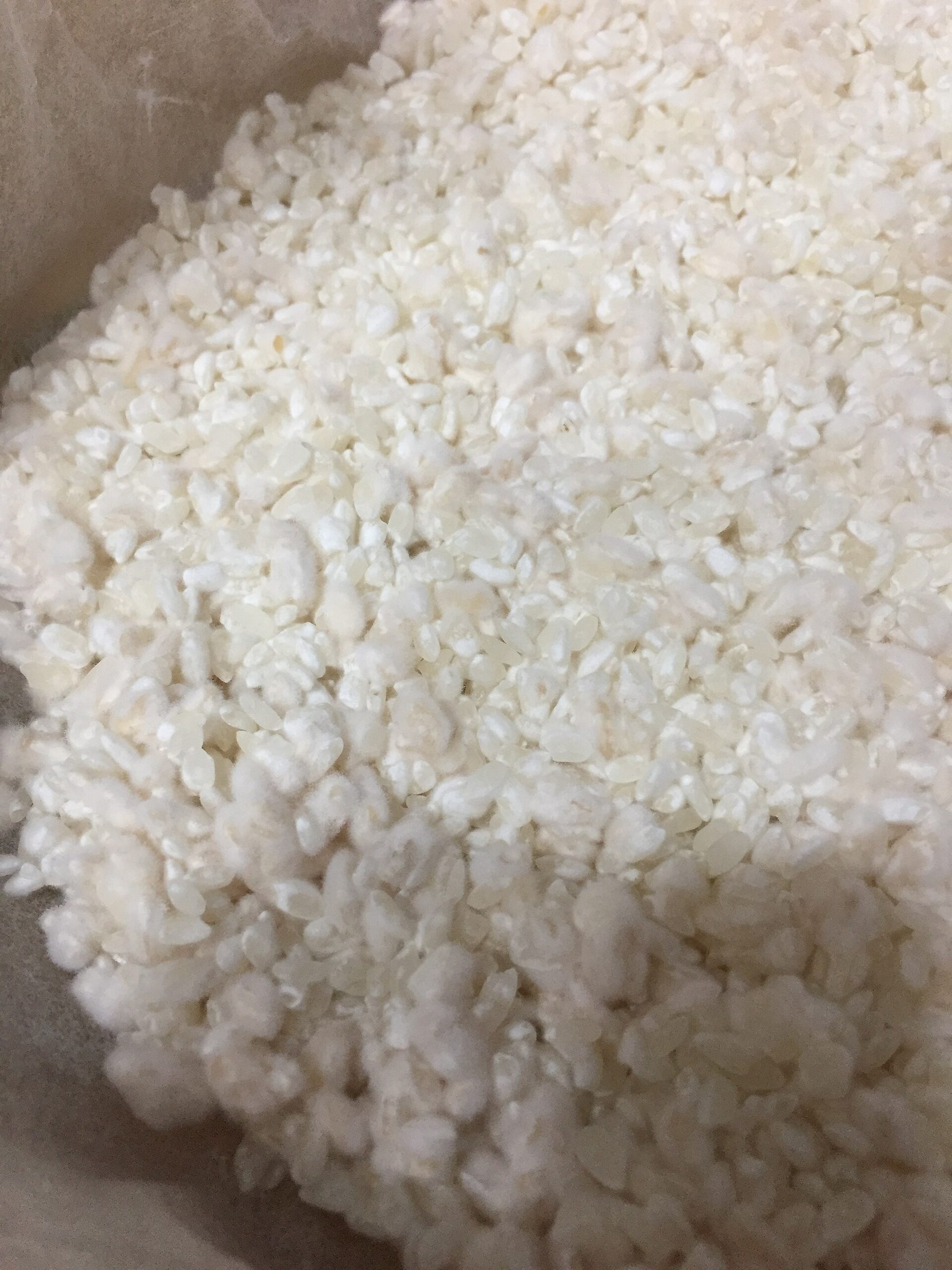
Macro photograph of koji, rice grains furred with white Aspergillus oryzae mold

Kimoto & Yamahai

Kimoto and yamahai are two old ways of starting fermentation, and they take four weeks instead of two, which lets wild microbes get involved early. Kimoto comes out rounder and more savory, while yamahai comes out gamey and strange enough that you will either love it or pass the glass to your neighbor. About one in ten Japanese breweries still makes either one.

A tokkuri flask with calligraphy beside a small ochoko cup on dark wood

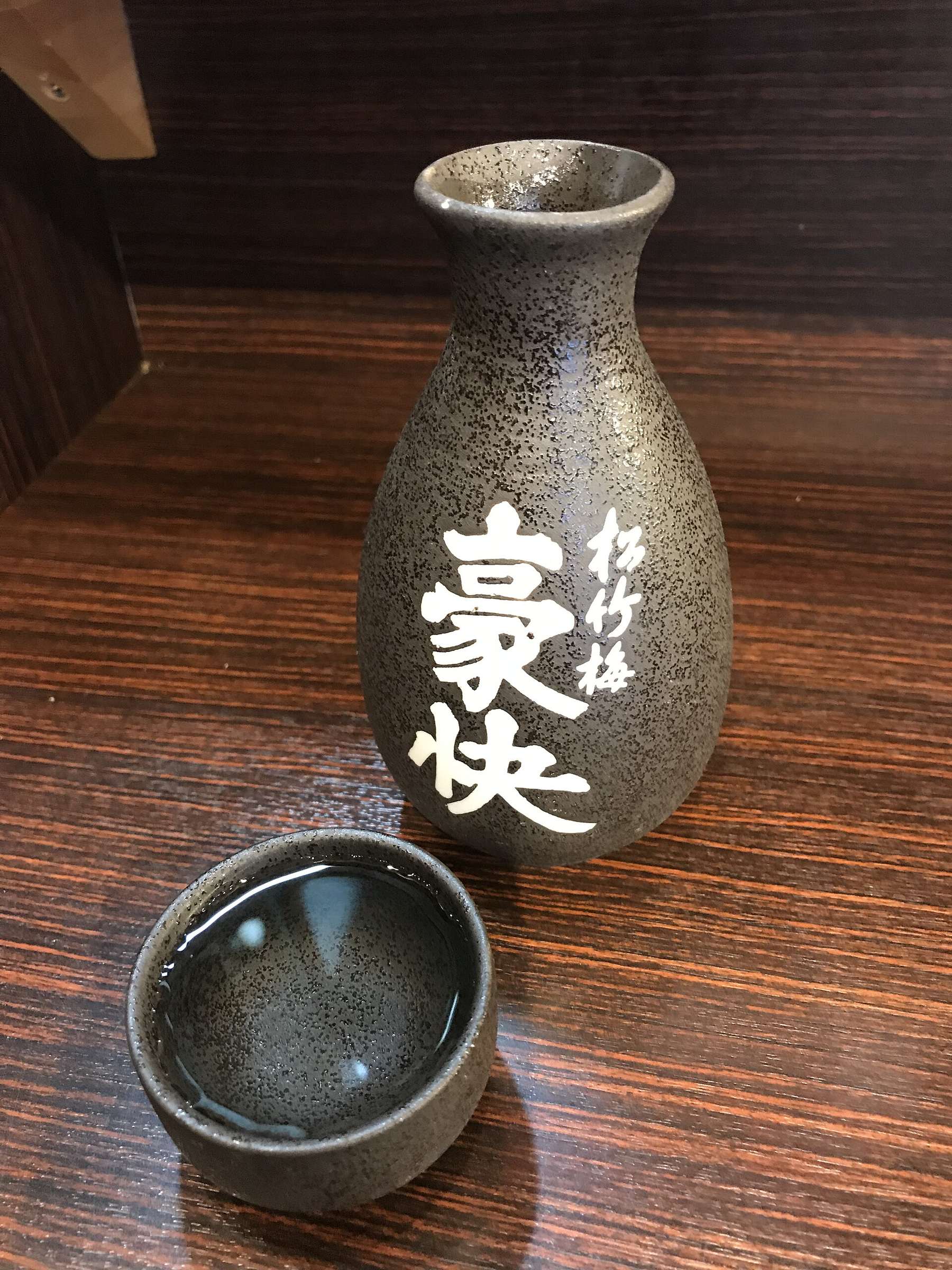
Muroka Genshu

Muroka genshu is undiluted, straight from the press at its natural 17 to 20 percent. Most sake gets filtered through charcoal and cut with water before bottling, and this one skips both steps, so you get the full color, body and strength the brewer built into it.

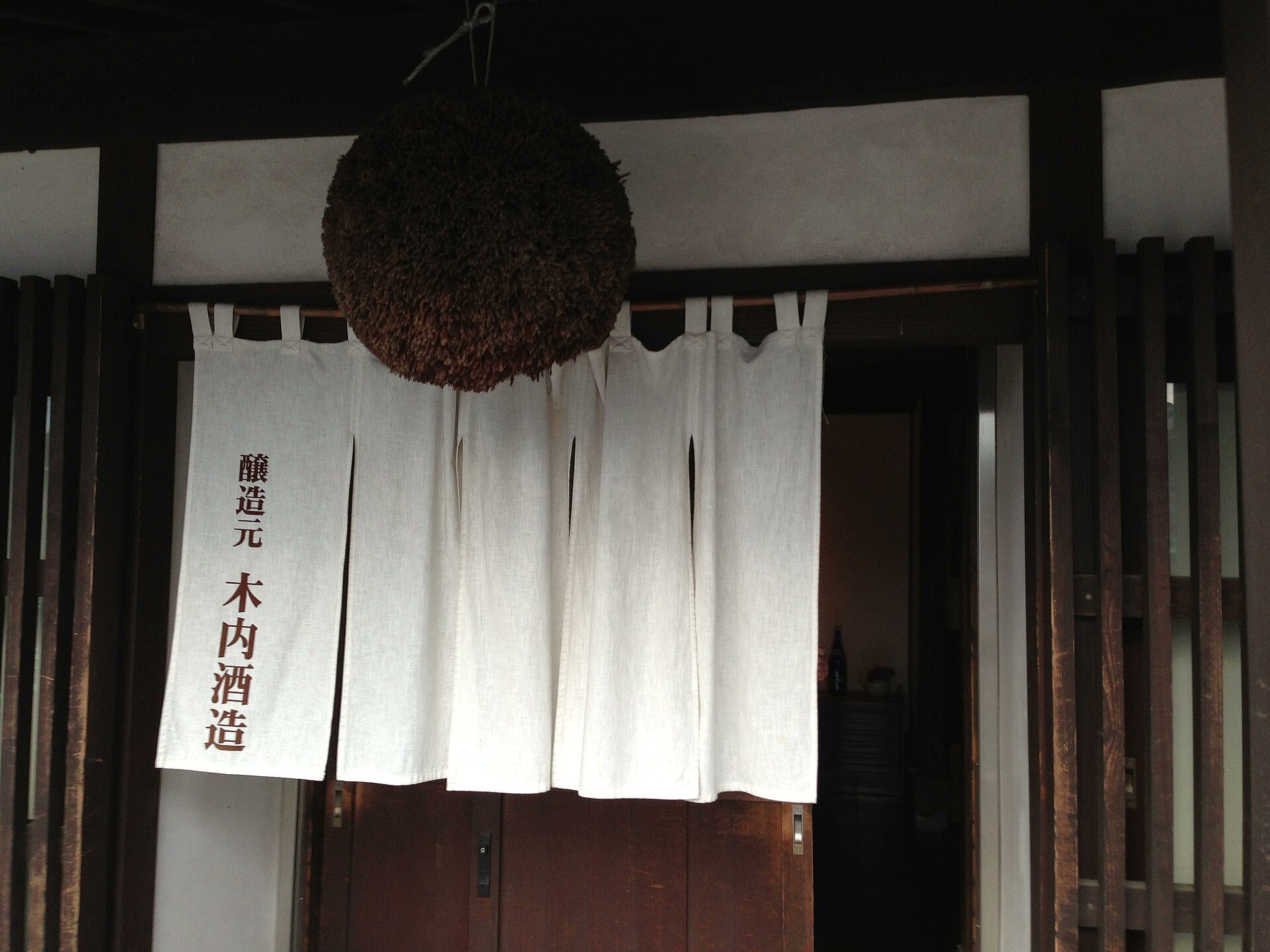
A noren curtain hung at a sake brewery entrance with brewery kanji, a cedar sugidama ball above
For breweries and importers

A testing ground for breweries entering D.C.

Getting into a new American market usually means convincing a distributor to gamble on you before a single person has tasted the sake. We work the other way around. Send a sample and it goes into a blind tasting in front of about twenty people who drink seriously and remember what they liked.

You get three things back. Honest scores, because nobody in the room knew whose bottle it was. A case order if it lands, and those orders repeat, because a member who voted for a bottle keeps buying it. And a written page on this site about your bottle either way, covering the brewery, the rice, the method and what the room said, which is a real page on the open web with your name on it.

Minimum orderOne case
Buying cycleSeasonal
Tasting formatBlind, member scored
Send samples tojacob@kasumiclub.com

Come to the next tasting.

Fill this out and you go on the list for the next one. Drinkers, breweries and importers all use the same form, and Jacob answers it himself.

Tastings are in Glover Park and about twenty people fit, so there is usually a wait before your first one.

Or email jacob@kasumiclub.com directly.